
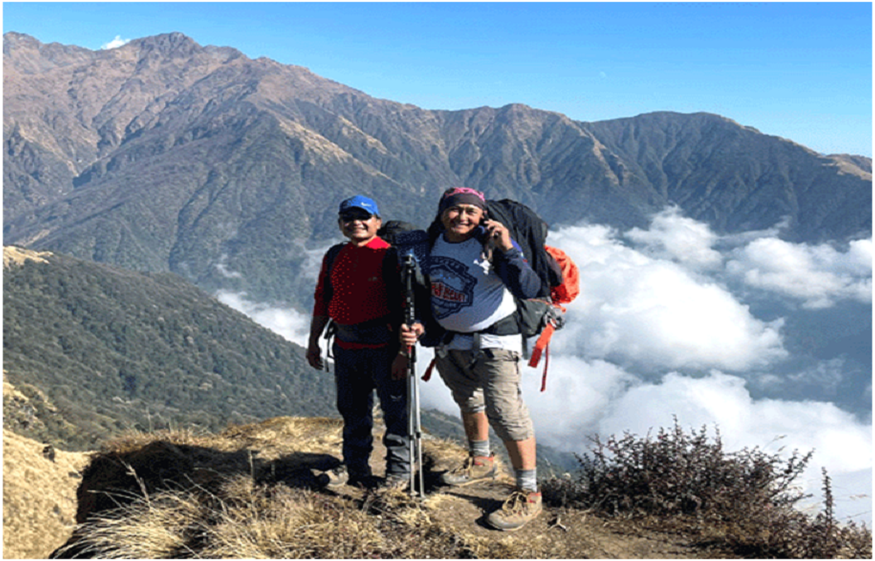
Anyone planning a trek in Nepal eventually runs into the same dilemma. Do you go for the quieter ridgelines of the Mardi Himal trek, chase that famous sunrise on the Poon Hill trek, or commit to the full Annapurna Base Camp trek via Poon Hill? All three routes sit in the same mountain range; all three promise those postcard views of Annapurna and Machhapuchhre, and yet the actual experience on the trail couldn’t be more different from one another.
This guide walks through each option honestly — what you’ll see, how hard the walking actually is, and who tends to enjoy each route the most — so you can pick the Annapurna Base Camp Trek experience that fits your time, your legs, and what you’re actually hoping to get out of the trip.
Why the Annapurna Region Continues to Be Nepal’s Most Popular Trekking Destination
A Perfect Mix of Mountains, Culture, and Easy Accessibility
Unlike some of Nepal’s more remote trekking areas, Annapurna is reachable within a short drive or flight from Pokhara, which means you’re not burning three days just getting to the trailhead. Within a matter of hours you can be walking through rice terraces, rhododendron forest, and Gurung villages, with snow peaks rising in the background the entire time.
Why Beginners and Experienced Trekkers Both Love Annapurna
There’s a route here for almost every fitness level, which is part of why the region draws such a mixed crowd — retirees on their first-ever trek, hardened mountaineers using it as a warm-up, and everyone in between. Teahouses along the trail mean you don’t need to camp or carry heavy gear, so the barrier to entry is genuinely low.
Read More : Your Ultimate Beginner’s Guide To Trekking The Manaslu Circuit In Nepal
What Makes Every Trail Feel Different
Even though these treks overlap geographically, each one has its own personality. Mardi Himal feels wild and a bit secretive. Poon Hill feels social and scenic without much strain. The full Annapurna Base Camp trek via Poon Hill feels like an epic, slowly unfolding story that builds toward one dramatic finish.
Mardi Himal Trek – The Hidden Gem of the Annapurna Region
Overview of the Mardi Himal Trek
The Mardi Himal trek is the newer kid on the block, only opened to trekkers in the last couple of decades, and it still feels less crowded than its neighbors. It climbs through dense forest before breaking out onto a narrow, exposed ridge with views that honestly rival routes that take twice as long.
Major Highlights Along the Trail
The standout moment is arriving at Mardi Himal Base Camp, where Machhapuchhre (Fishtail) looms so close it feels like you could reach out and touch it. The forest sections, thick with moss and rhododendron, are underrated too — quiet, cool, and a nice contrast to the open ridge above.
Difficulty Level and Daily Walking Hours
This is a moderate trek. Most days involve five to six hours of walking, with one steep push near the top where the altitude starts to make itself known. It’s manageable for a reasonably fit beginner, though a bit of prior hiking experience helps.
Best Time for the Mardi Himal Trek
Spring and autumn are the sweet spots, same as most Annapurna routes, though Mardi Himal’s forest cover actually makes it a decent choice even in early winter when higher routes get bitterly cold.
Who Should Choose the Mardi Himal Trek?
If you want big mountain views without big crowds, and you don’t have two full weeks free, Mardi Himal is honestly one of the best-kept secrets in the region.
Poon Hill Trek – Nepal’s Most Famous Sunrise Trek
Why Poon Hill Is Still Worth Visiting
It’s popular for a reason. Poon Hill has been on the trekking map for decades, and despite (or maybe because of) the crowds, the payoff at the viewpoint is still genuinely worth the early wake-up call.
Sunrise Views That Never Disappoint
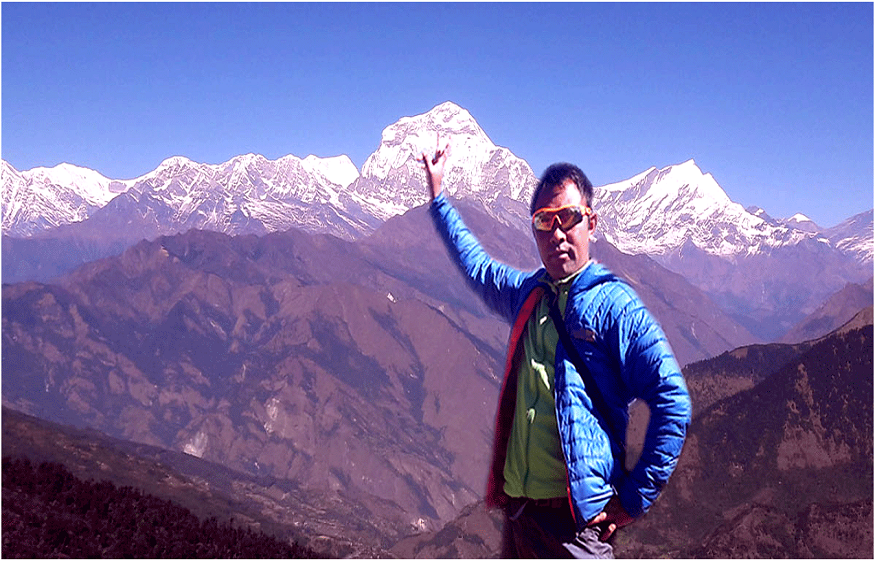
Standing at Poon Hill just before dawn, watching the first light hit Dhaulagiri, Annapurna South, and Machhapuchhre one by one, is one of those moments that photos never quite do justice to.
Ghorepani Village and Local Gurung Culture
Ghorepani, the main village on this route, gives a real taste of Gurung hospitality — stone houses, prayer flags strung between rooftops, and teahouse owners who’ve been feeding trekkers for generations.
Trek Difficulty and Duration
This is the easiest of the three by a wide margin. Most itineraries run four to five days, with only a couple of genuinely steep climbs, mainly the stone stairs up to Ghorepani itself.
Annapurna Base Camp Trek via Poon Hill – Two Incredible Treks in One Journey
Why Many Trekkers Prefer This Route
This is essentially the best of both worlds — you get the Poon Hill sunrise early in the itinerary, then continue deeper into the Annapurna Sanctuary rather than turning back. For a lot of people, doing just one or the other afterward feels like leaving something on the table.
From Poon Hill Sunrise to Annapurna Base Camp
After the sunrise viewpoint, the trail drops into the Modi Khola valley and gradually climbs through a series of villages — Tadapani, Chhomrong, Dovan — before entering the dramatic, glacier-carved bowl that surrounds Annapurna Base Camp.
Villages, Forests, Rivers, and High Himalayan Landscapes
What makes this route special is the variety. You go from terraced farmland to bamboo forest to alpine scrub, and the landscape keeps shifting almost daily, which keeps the long trek from ever feeling repetitive.
Main Attractions Along the Route
Beyond Poon Hill and the base camp itself, the Machhapuchhre Base Camp stop the night before is a highlight in its own right — an amphitheater of peaks surrounding you on almost every side.
Typical Trek Duration
Most itineraries run around 10 to 12 days, depending on pace and acclimatization days, making it a solid choice for trekkers with a bit more time on their hands.
Annapurna Base Camp Trek – One of Nepal’s Classic Himalayan Adventures
What Makes the Annapurna Base Camp Trek Special
The standard route (without the Poon Hill detour) is more direct, usually shaving off a day or two, and focuses purely on the walk into the Sanctuary itself.
Walking Inside the Annapurna Sanctuary
There’s something almost cinematic about walking into the Sanctuary — steep valley walls funnel you inward until, quite suddenly, the terrain opens up and you’re surrounded by 7,000 and 8,000-meter peaks on nearly every side.
Mountain Views You Can Expect
Annapurna I, Annapurna South, Hiunchuli, and Machhapuchhre all crowd the skyline from base camp, which is part of why this remains one of the most photographed spots in Nepal.
Local Hospitality Along the Trail
Teahouses along this route, run mostly by Gurung families, offer warm dal bhat and a fireplace to thaw out in the evenings — small comforts that matter a lot after a long day of walking.
Mardi Himal Trek vs Poon Hill Trek – Which One Should You Choose?
Best for First-Time Trekkers
Poon Hill wins here. It’s shorter, less steep, and forgiving if you’re not sure how your body will handle altitude.
Best for Photography
Mardi Himal, mainly because the ridge walk offers close-up, uninterrupted views of Machhapuchhre that Poon Hill simply can’t match.
Best for Short Holidays
Poon Hill again — it fits neatly into a four or five day window, which suits people squeezing a trek into a broader Nepal itinerary.
Best for Quiet Trails
Mardi Himal is noticeably less crowded, especially compared to peak-season Poon Hill, where teahouses can fill up fast.
Best Overall Experience
It really depends on what you value more — the social, scenic ease of Poon Hill, or the raw, slightly wilder feel of Mardi Himal. Neither is objectively better.
Annapurna Base Camp Trek via Poon Hill vs Standard Annapurna Base Camp Trek
Route Differences
The via-Poon-Hill version adds a loop through Ghorepani before rejoining the main Base Camp trail, while the standard route heads more directly through Chhomrong.
Scenic Highlights
Via Poon Hill gives you two signature moments instead of one — sunrise views plus the Sanctuary itself — while the standard route keeps the focus tightly on the high mountain scenery.
Walking Distance and Duration
Expect two to three extra days on the Poon Hill variation, along with a bit more elevation gain and loss overall.
Which Route Gives Better Value?
For most trekkers with the time to spare, the via-Poon-Hill route offers noticeably more variety for a relatively small time cost.
Best Time to Trek in the Annapurna Region
Spring Season (March–May)
Warmer days, blooming rhododendron forests, and generally stable weather make spring a favorite, though afternoon haze can occasionally soften mountain views.
Autumn Season (September–November)
Widely considered the best season overall — clear skies, comfortable temperatures, and the sharpest mountain visibility of the year.
Winter Trekking
Colder and quieter, winter still works for lower routes like Mardi Himal and Poon Hill, though higher stretches can get icy and demand extra caution.
Monsoon Considerations
June through August brings heavy rain, leech-prone trails, and frequently obscured views, so most trekkers avoid this window unless there’s no other choice.
Difficulty Level and Fitness Requirements
Can Beginners Complete These Treks?
Yes, especially Poon Hill and Mardi Himal. Annapurna Base Camp, particularly via Poon Hill, asks a bit more of your legs and lungs but remains achievable with reasonable preparation.
Average Daily Hiking Hours
Expect five to seven hours a day on average, with a couple of longer or steeper days built into most itineraries.
Preparing Before You Arrive in Nepal
A few weeks of regular walking or light cardio beforehand goes a long way, along with breaking in your trekking boots well before you land in Nepal.
Accommodation and Food During the Trek
Tea Houses Along the Routes
Simple, family-run lodges line every route in this guide, offering basic rooms and shared bathrooms lower down, with more rustic setups higher up near base camp.
Popular Meals Trekkers Enjoy
Dal bhat remains the trekker’s staple for good reason — unlimited refills and solid fuel for the next day’s climb — though momos and garlic soup are common favorites too.
Drinking Water and Facilities
Bottled water is available but discouraged environmentally; most trekkers use a filter or purification tablets instead, and hot showers are usually available for a small fee at lower elevations.
Permits Required for the Mardi Himal Trek, Poon Hill Trek, and Annapurna Base Camp Trek
Annapurna Conservation Area Permit (ACAP)
All three routes fall within the Annapurna Conservation Area, so this permit is required regardless of which trail you choose.
TIMS Card Requirements
A Trekkers’ Information Management System card is also needed, mainly for safety tracking purposes in case of emergencies.
Permit Tips Before You Travel
Arrange permits in Kathmandu or Pokhara before heading to the trailhead, since checkpoints along the way will ask for them.
Cost of the Mardi Himal Trek, Poon Hill Trek, and Annapurna Base Camp Trek
Budget Trek Options
Independent trekking with basic teahouse stays keeps costs relatively low, particularly on the shorter Poon Hill and Mardi Himal routes.
Guided Trek vs Independent Trek
A guide adds cost but also adds safety, local insight, and support with permits and logistics, which many first-time trekkers find worthwhile.
What Is Usually Included in a Trek Package?
Most packages bundle permits, guide and porter fees, and sometimes accommodation, though meals are often paid separately along the trail.
Packing Tips for a Comfortable Himalayan Trek
Essential Clothing
Layering matters more than any single piece of gear — a warm base layer, insulated mid layer, and a windproof outer shell cover most conditions you’ll face.
Trekking Gear You Shouldn’t Forget
A decent pair of broken-in boots, trekking poles, and a headlamp for early sunrise starts are worth prioritizing over almost anything else.
Small Items That Make a Big Difference
Sunscreen, a reusable water bottle, blister plasters, and a power bank all earn their weight surprisingly fast once you’re on the trail.
Responsible Trekking in the Annapurna Region
Respect Local Communities
Simple things like asking before photographing people, dressing modestly in villages, and greeting locals with a friendly “namaste” go a long way.
Reduce Plastic Waste
Carrying a filter bottle instead of buying bottled water each day meaningfully cuts down on plastic waste in an already fragile mountain environment.
Leave the Mountains Better Than You Found Them
Packing out your own trash and sticking to marked trails helps preserve these routes for the trekkers who come after you.
Which Trek Is Right for You?
Choose the Mardi Himal Trek If…
You want dramatic views, a quieter trail, and only have about five to six days available.
Choose the Poon Hill Trek If…
You’re new to trekking, short on time, or mainly chasing that classic Himalayan sunrise.
Choose the Annapurna Base Camp Trek via Poon Hill If…
You want the complete Annapurna experience and have around 10 to 12 days to spare.
Choose the Classic Annapurna Base Camp Trek If…
You’d rather head straight into the Sanctuary without the extra Poon Hill detour.
Read More : How Luxury Villas in Paros Combine Traditional Cycladic Architecture with Modern Hospitality
Conclusion
There’s no single “best” trek here — only the one that fits you. The Mardi Himal trek rewards those chasing solitude and close-up mountain views on a tighter schedule. The Poon Hill trek remains the easiest entry point into the Himalayas, especially for first-timers. The Annapurna Base Camp trek via Poon Hill combines the best of both worlds for trekkers with more time, while the classic Annapurna Base Camp trek delivers a focused, unforgettable journey into one of Nepal’s most spectacular natural amphitheaters. Whichever route you choose, plan ahead, trek responsibly, and give yourself enough time to actually enjoy the mountains rather than rush past them.






Leave a Reply
You must be logged in to post a comment.