
I’d arrived in Mysuru with Mysore pak at the top of a very short food list. The famous sweet, made from gram flour, ghee, and sugar, had been recommended by enough people in enough different contexts that trying it felt less like a choice and more like an obligation. What I hadn’t expected was that the sweet would turn out to be the least interesting thing I ate across three days, not because it wasn’t good but because everything around it was considerably better than I’d been led to anticipate.
Day one in Mysuru: The sweet that started it and the breakfast that mattered more
I went to Guru Sweets on the first morning, the most well-known Mysore pak address in the city, and bought a small box before I’d even had breakfast. The pak here is the original style, softer and more ghee-forward than the harder, drier versions that have spread across South India under the same name. It’s genuinely good. It tastes exactly like something that was invented in a royal kitchen and has been refined across generations without anyone deciding it needed to change.
Breakfast happened afterwards at a small Udupi place near the hotel, recommended by the woman at the front desk with the directness I’ve come to associate with reliable food recommendations. The masala dosa here had a filling that was spiced differently from versions I’d had elsewhere, drier and more intensely flavoured, with a coconut chutney that had enough texture to suggest it had been freshly ground that morning rather than prepared in advance. The filter coffee alongside it was strong enough that I ordered a second without intending to.
Day two in Mysuru: The market morning and a thali that went on longer than planned
I went to Devaraja Market on the second morning without any food agenda beyond looking around. The flower section drew me in first, as it always does, and I spent twenty minutes watching the jasmine and marigold garland assembly before noticing that the market’s inner lanes had a small cluster of food stalls doing a brisk morning trade in idli and vada.
Read More: Mardi Himal Trek, Poon Hill Trek & Annapurna Base Camp Trek via Poon Hill: A Complete Guide
The idli here was lighter than any version I’d had in Chennai or Bangalore; the batter fermented long enough that the texture was almost cloud-like rather than dense. I ate three with sambar that had a tamarind sourness that deepened with each spoonful. The vada alongside was crisp enough on the outside that the sound of biting into it was audible, which sounds like an odd thing to note but is actually a reliable indicator of quality.
Lunch on the second day happened at a restaurant near the palace that a shopkeeper in Devaraja Market had mentioned while I was buying spices. The Mysuru-style thali here was the meal of the trip. It arrived in stages rather than all at once, which is the traditional service style and which forces a different relationship with the food than the all-at-once version. Kosambari, a raw lentil and cucumber salad, came first. Then a sequence of curries and gravies, a sweet pongal, rice, rasam thin enough to drink rather than eat, and a payasam at the end that I had not asked for and which arrived as a matter of course.
Day three in Mysuru: Street food and a discovery near the zoo
On the third day of my trip, I started eating smaller meals and snacking often while wandering from food stall to food stall in the streets without any plan. One of my stops was a small stall at the bus station selling pani puri. Their ‘pani’ referred to a minty water that felt cool against the scorching heat of the day. Having eaten six servings, I was contemplating further, telling myself that the food I tasted the day before had raised the bar too high for me.
Read More: Luxury vs Budget Safari: Comparing Camps, Costs, and Wildlife Experiences
My biggest discovery of the day was a small eatery close to the zoo serving a Karnataka-style mutton curry with neer dosa. I had entered this eatery unwilling to eat any meat that day, but I was quick to change my mind as I saw the menu. The curry was coconut-based and had a subtle spice build-up, so I continued eating instead of waiting for it to run its course. Besides, the neer dosa was fresh enough for its edges to be still warm enough to be served to customers.
Final thoughts
I went back to Guru Sweets on the way home and bought another box of Mysore pak. It was still good. It was still the least interesting thing I ate in Mysuru, which is entirely a comment on how strong the competition turned out to be.
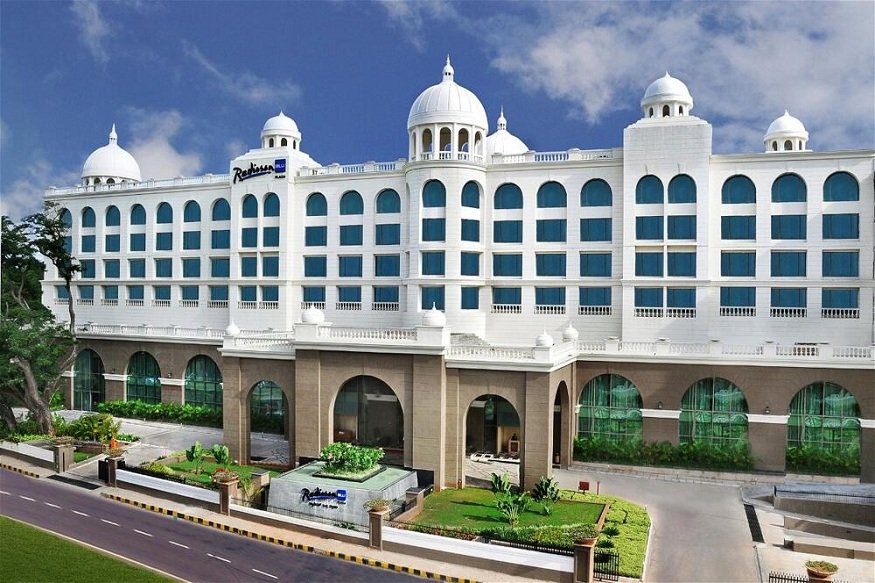
Several hotels in Mysuru sit close to both Devaraja Market and the older restaurant areas. Thus, organising this kind of day-by-day food wandering required no vehicles and very little planning beyond walking out the door in a general direction and following whatever looked busy. Being able to access food beyond the sweets in this convenient way is just the thing needed to realise the importance of the good food in Mysuru, which is not the most popular.





Leave a Reply
You must be logged in to post a comment.